You paid over $120 a month for an entry-level plan, and by Wednesday your account is already out of credits because filtering a competitor's backlink report apparently counts as premium usage. If that sounds familiar, you're not imagining the squeeze. It's exactly why so many growth teams are actively hunting for Ahrefs alternatives in 2026.
The real problem isn't the invoice, though. It's that even when a legacy suite returns good data, it stops there. You still have to export the CSV, brief a writer, format the draft, hunt down internal links by hand, and paste everything into your CMS. The software found the opportunity and then handed you all the work of actually capturing it.
This guide breaks down eight Ahrefs alternatives worth your budget in 2026, evaluated on data accuracy, credit limits, AI search visibility, and how much of the research-to-publish workflow each one actually automates.
Why Growth Teams Are Replacing Legacy SEO Suites
The Credit Consumption Penalty: Standard reporting tasks eat monthly credit allowances fast. Teams report burning through 500 monthly credits by midweek just from filtering competitor backlink reports and checking keyword gaps routine research, not power use. When credits run out, work stops unless you buy a top-up.
Escalating Subscription Costs and Seat Fees: Entry-level plans on major suites now start above $120 a month for a single seat, often with historical data locked behind higher tiers and extra charges for every additional team member. That pricing punishes exactly the lean, collaborative teams that need the tool most.
The Disconnect Between Data Research and Publishing Execution: Legacy platforms are excellent at generating massive CSV exports of keywords. What they don't do is turn that data into a structured brief, a finished draft, internal links, or a live URL; that part is still entirely manual.
Essential Criteria for Evaluating Modern SEO Software
Feature-list comparisons miss what actually matters day to day. Before shortlisting a replacement, weigh these three criteria:
- Data freshness and keyword accuracy — static databases lag behind fast-moving markets, especially for niche B2B terms where volume estimates are often detached from live SERP reality.
- GEO and AI search tracking — ranking page one on Google means little if ChatGPT and Perplexity are citing your competitors instead of you.
- Automated content production and CMS publishing — the tool should move a keyword gap into a published page without four separate handoffs.
Top 8 Ahrefs Alternatives, Ranked
Here's how the eight leading contenders stack up, including where each one still leaves work on your plate.
1. SEOSorted — Best Overall for Unified Research, Generation & Publishing
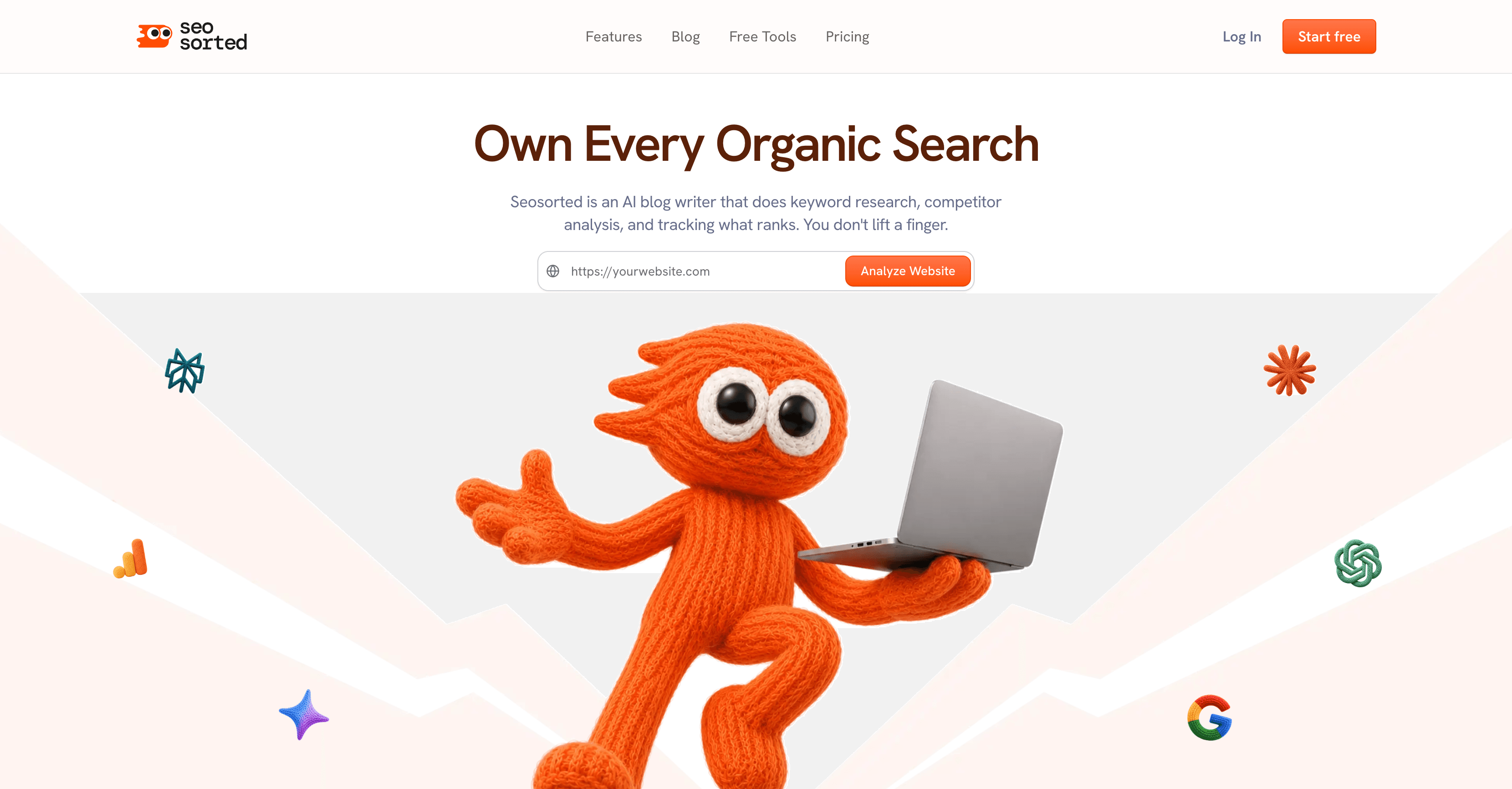
SEOSorted is built to close the exact gap legacy suites leave open: it pulls live SERP data straight into AI-assisted drafting, inserts contextual internal links across your existing site automatically, and publishes directly to your CMS in one step. Trade-off: it isn't built around chasing a massive backlink index the way legacy suites are, but topical authority and content velocity matter more than backlink-count variations for most growing SaaS teams anyway. Best fit: teams who want research-to-published-URL in one sitting, not another CSV to manage.
2. Semrush — Best Direct Swap for Enterprise Competitor Suite Analytics
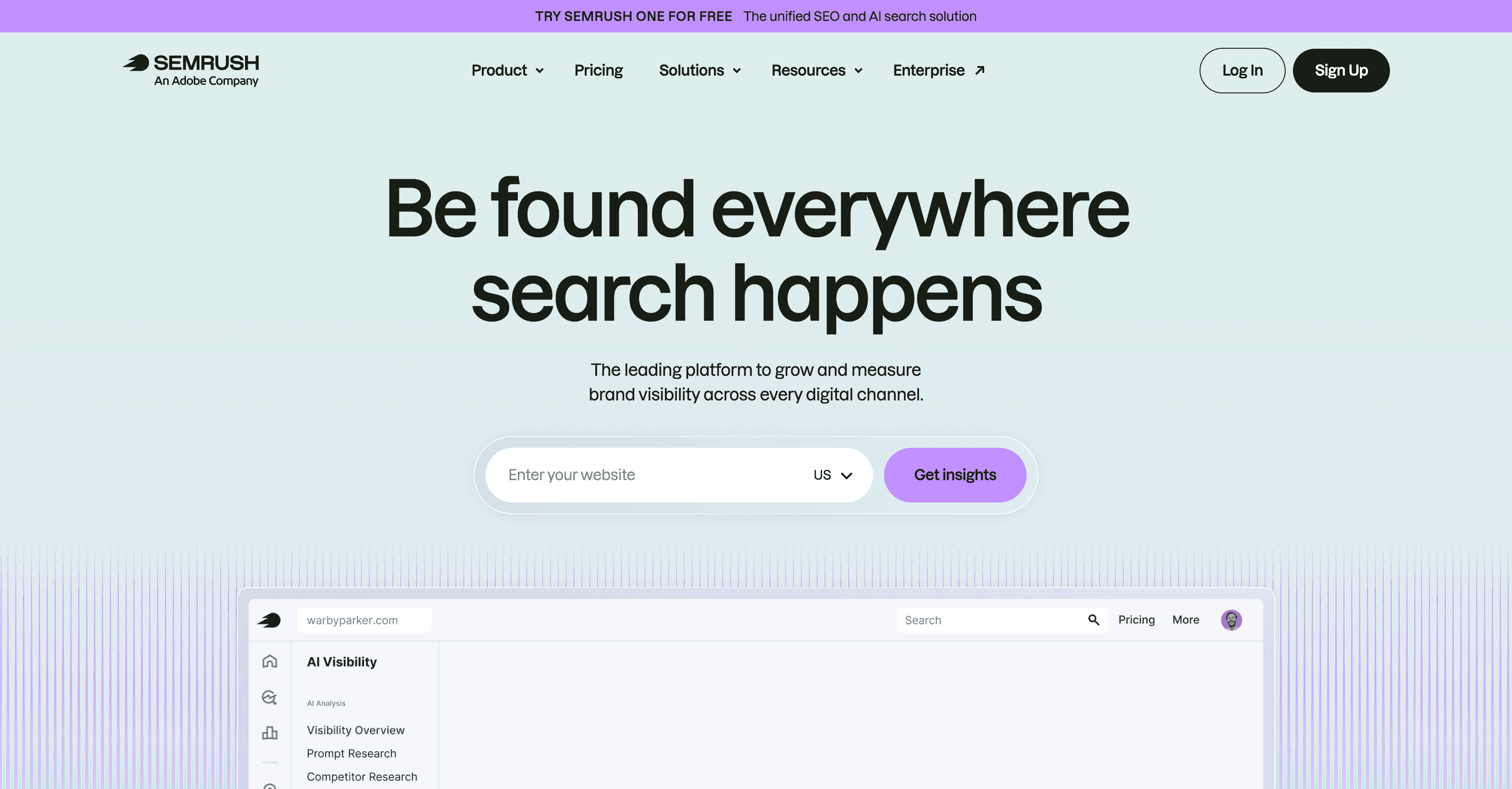
Semrush offers a broader ecosystem than most alternatives, stronger PPC tracking, market explorer tools, and deep competitor gap reports, without gating basic filtering behind a restrictive credit system. Strength: closest like-for-like replacement if your team leans on paid-search intelligence. Weakness: it's still a research database first; content generation and CMS publishing sit outside the core suite, so you're back to manual handoffs once the data's pulled. Best fit: enterprise teams whose primary need is analysis, not execution.
3. SE Ranking — Best Value for Agency Reporting and Multi-Engine Tracking
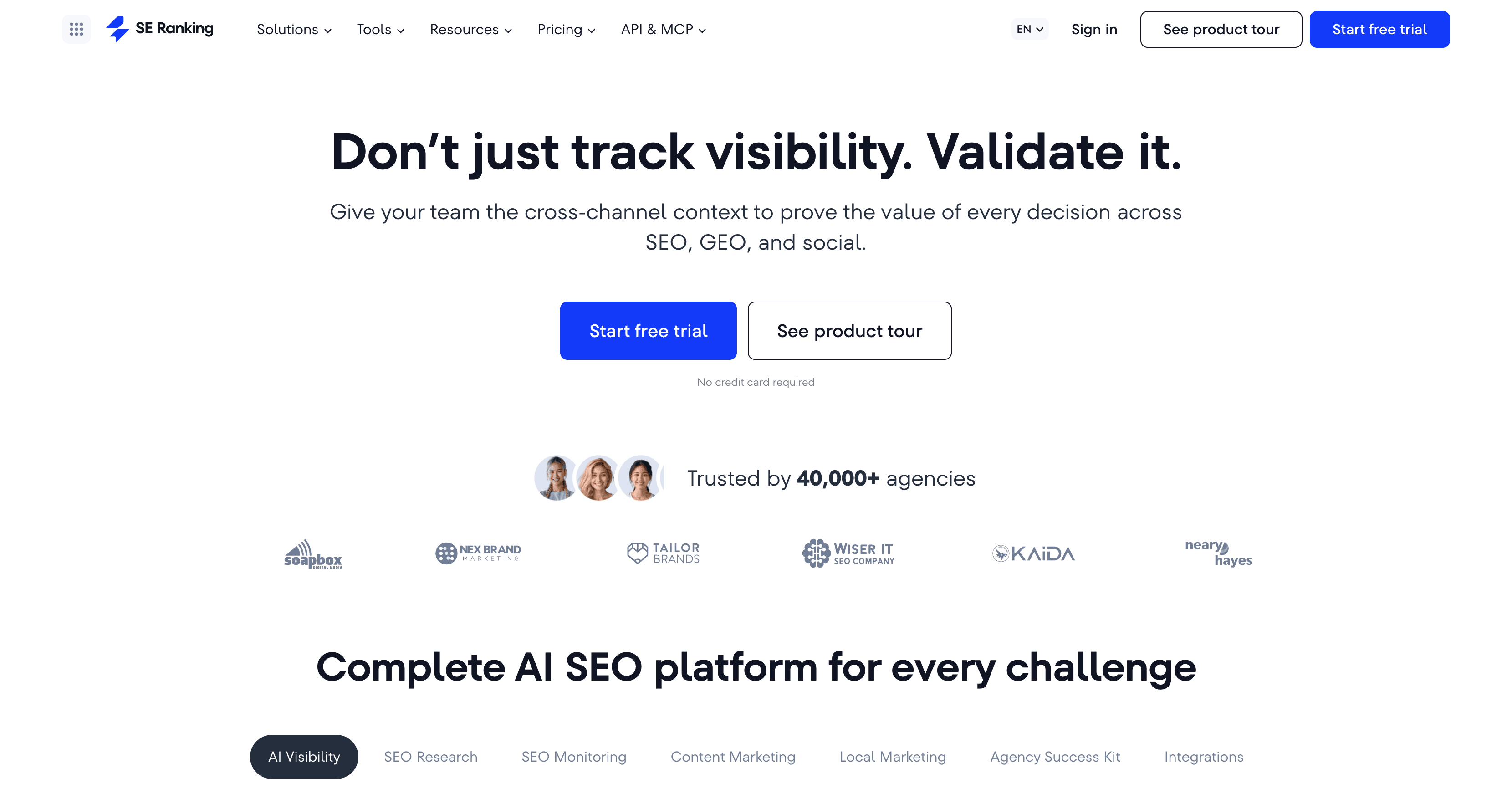
SE Ranking's positioning centers on all-in-one suite capabilities with connected visibility metrics, useful for agencies tracking client performance across engines in one dashboard. Strength: multi-engine tracking baked into core reporting, more than most legacy suites offer natively. Weakness: it still treats content publishing as an external, manual step outside the core suite. Best fit: agencies that need connected reporting more than execution speed.
4. Mangools — Best Streamlined Interface for Solopreneurs and Beginners
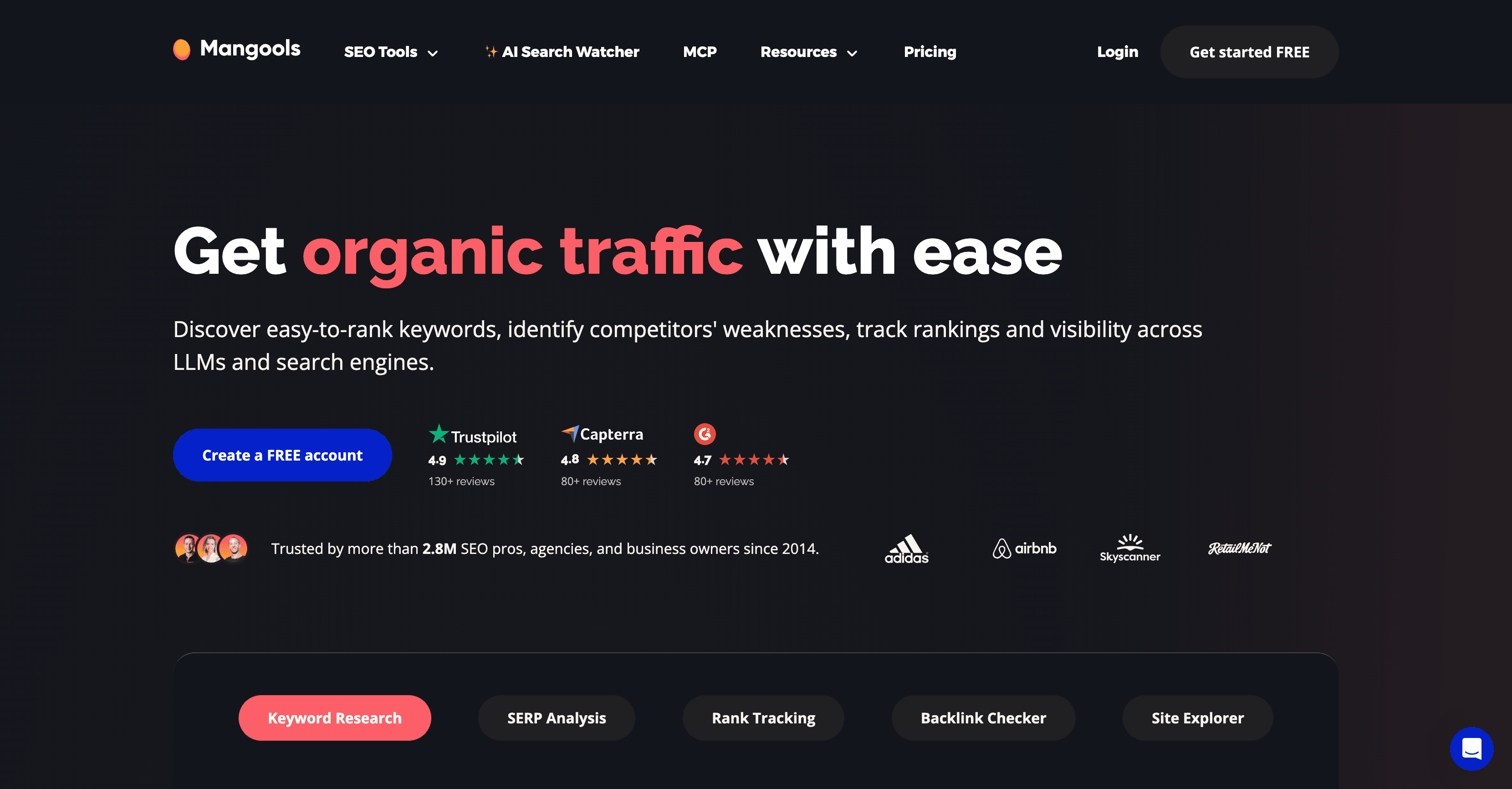
Mangools keeps keyword research and rank tracking simple, without the steep learning curve of an enterprise suite. Strength: genuinely budget-friendly and easy to onboard a junior hire or solo founder onto. Weakness: it's built for basic metrics, not for teams trying to scale content velocity or track AI-engine visibility. Best fit: solopreneurs who need a lightweight starting point, not a full execution pipeline.
5. Surfer SEO — Best for Specialized On-Page Content Optimization

Surfer is a standalone content editor built for scoring a draft against top-ranking pages on-page. Strength: sharp, focused optimization signal. Weakness: it's disconnected from keyword discovery and CMS publishing by design, which means copy-pasting text in and finished drafts back out at a premium monthly rate for one function. Best fit: teams with an existing writing and publishing workflow who just need an optimization score layered on top.
6. Clearscope — Best for Enterprise-Grade On-Page Text Scoring
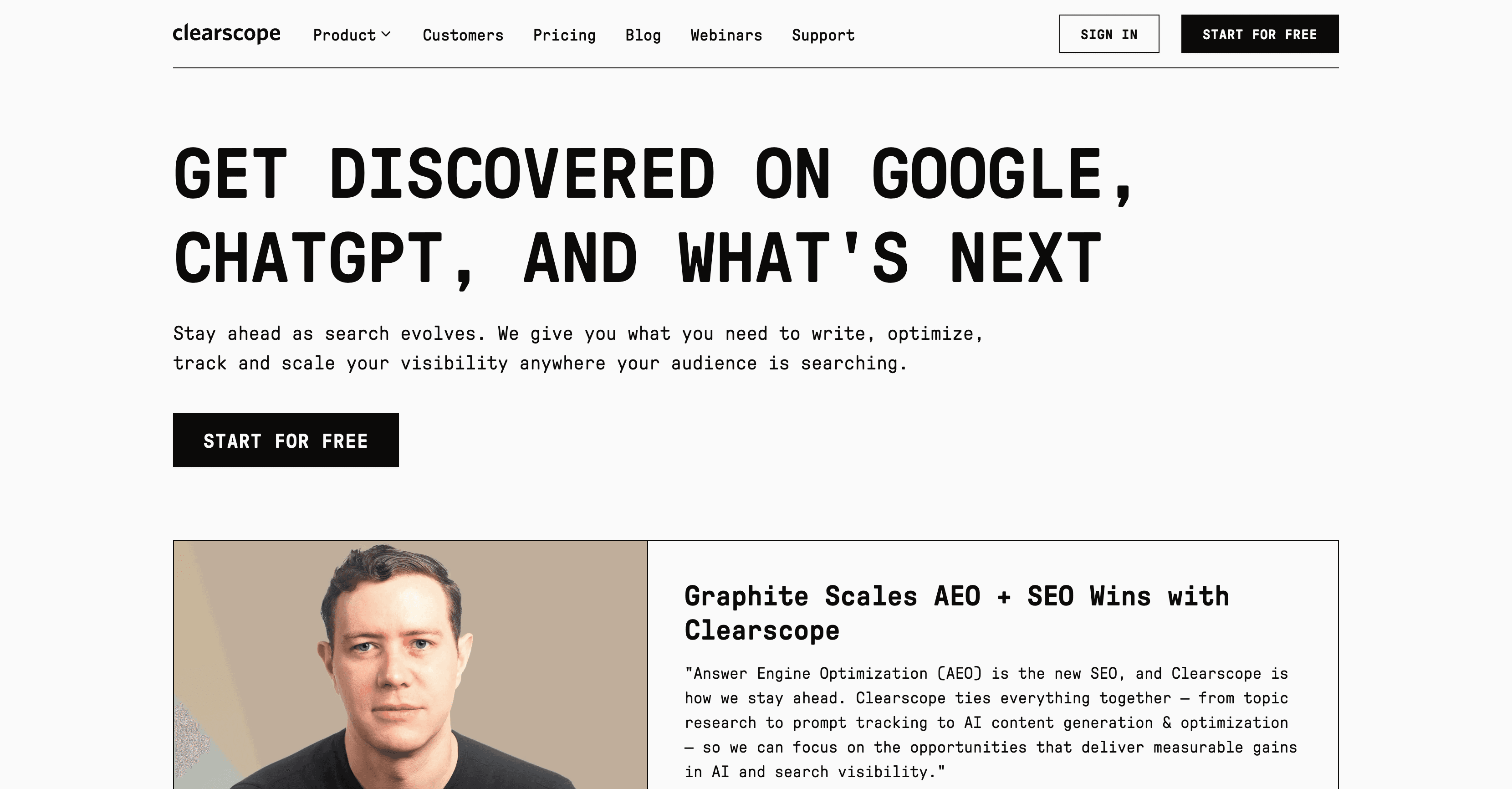
Clearscope plays a similar role to Surfer at the enterprise end, with rigorous content grading against competitor pages. Strength: trusted scoring methodology for large editorial teams. Weakness: the same structural gap as any standalone editor; it doesn't touch keyword clustering upstream or internal linking and CMS publishing downstream, so it's one more subscription in an already fragmented stack. Best fit: enterprise editorial teams that need a scoring layer, not a pipeline replacement.
7. Moz — Best for Domain Authority Tracking and Local SEO
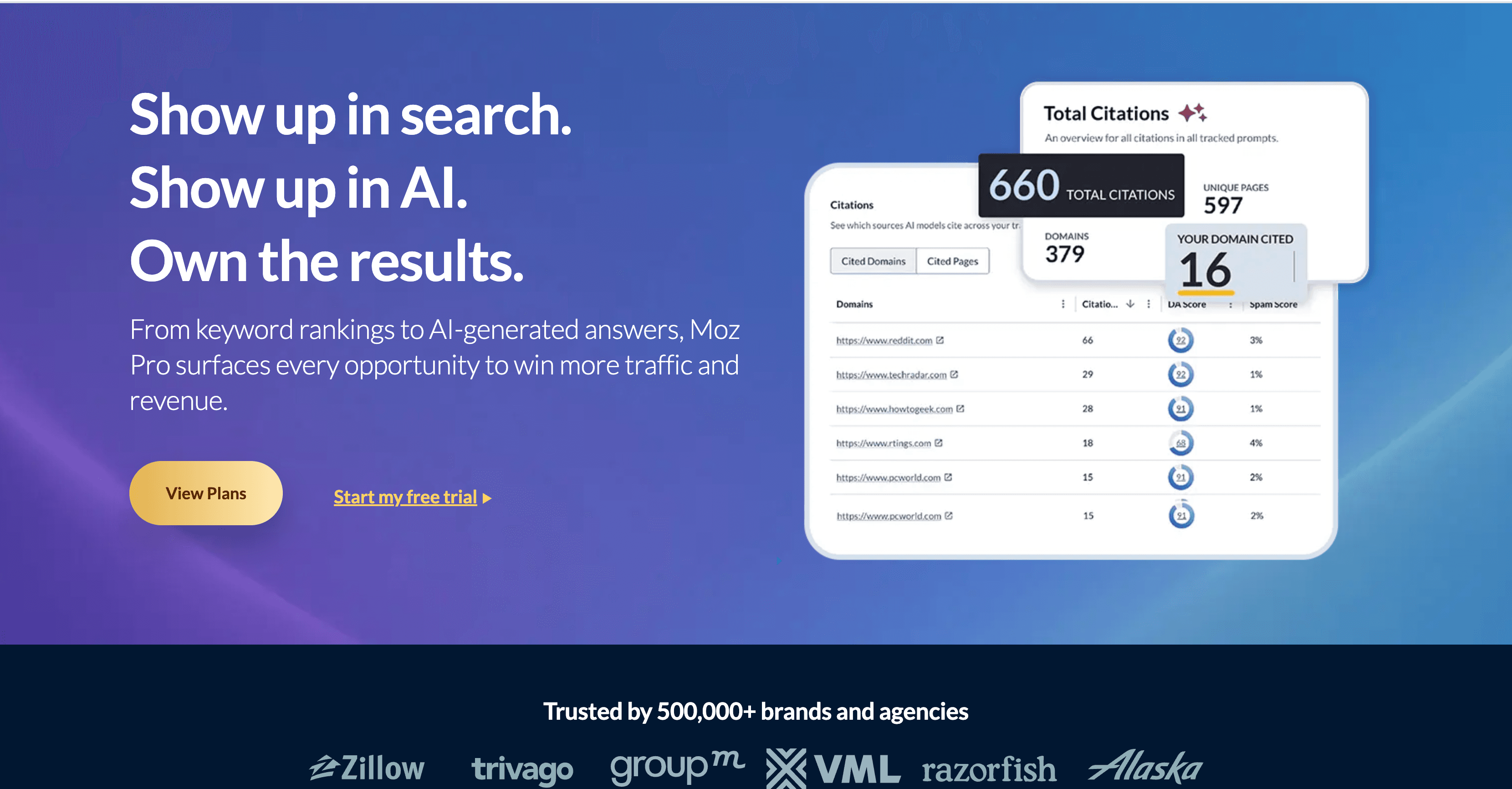
Moz's positioning centers on domain authority tracking and local SEO, the areas it's specifically flagged for. Strength: a solid pick if DA and local-pack visibility matter to your niche. Weakness: it shares the same research-to-execution disconnect as the rest of the legacy category, strong at measurement, quiet on content production. Best fit: local and multi-location businesses tracking authority signals over time.
8. Google Search Console + Native Tools — Best Zero-Cost Data Baseline
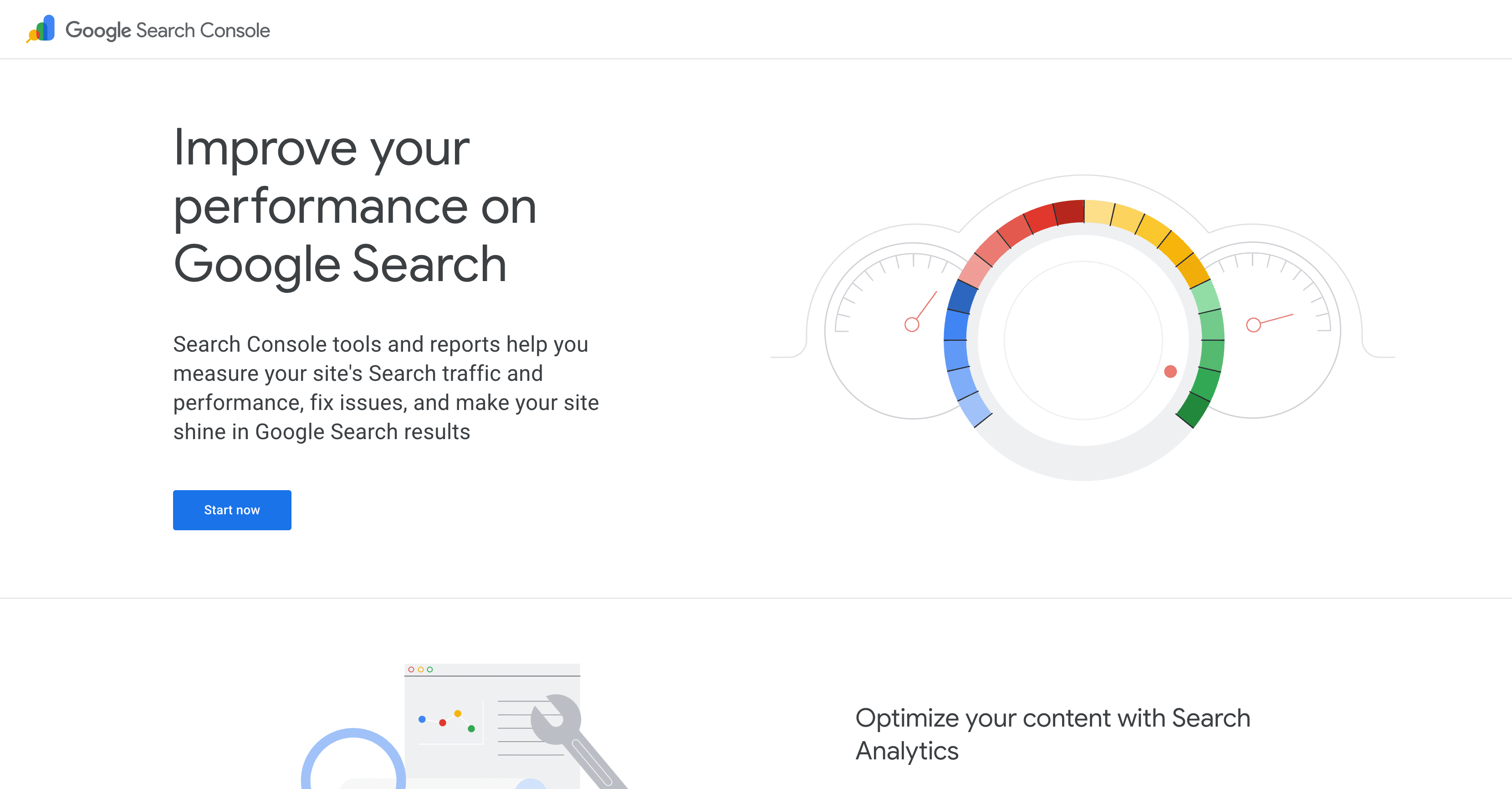
GSC costs nothing and gives you first-party data no third-party crawler can replicate: real queries, real clicks, real impressions from your own site. Strength: free, and the most accurate signal for what's already working. Weakness: it only shows you what you already rank for, with no competitor visibility, no backlink data, and nothing resembling content generation. Best fit: pairing with a paid tool, not replacing one.
Feature and Pricing Comparison Matrix
The starkest difference between the legacy category and a unified platform isn't any single feature; it's the operational math once you add everything up.
| Metric | Fragmented Legacy Stack | Unified Execution Platform |
|---|---|---|
| Monthly software overhead | $500-$900+ across suite, editor, and crawler | Single predictable subscription |
| Research credit restraints | Strict caps on filtering and exports | Unrestricted live SERP research |
| Time to publish per post | 4-8 hours across multiple handoffs | Under 30 minutes, discovery to live URL |
| Internal linking management | Manual spreadsheet tracking | Programmatic, contextual insertion |
That $500-$900 range isn't hypothetical; it's what teams report paying across a legacy suite, a separate content editor, and a technical crawler just to ship a handful of articles a month.
How to Migrate From Ahrefs to a Modern Alternative Without Losing Rankings
Switching tools doesn't have to cost you rank equity if you sequence it right.
Export everything first. Pull your full historical keyword and backlink inventory out of the legacy platform before you cancel; you'll want that baseline data even after you stop paying for it.
Rebuild your internal linking map. Legacy tools leave this entirely manual. An automatic internal linking workflow that cross-references your existing CMS content solves the exact bottleneck of opening old posts one by one to paste in new links.
Move content execution over gradually. Run new articles through the new workflow while your existing content keeps ranking on the old data; there's no need to touch pages that are already performing.
Stop exporting CSVs. Start publishing.
Every workaround in this guide the manual internal linking, the CSV-to-brief handoff, the copy-paste into your CMS is the exact gap SEOSorted's AI Blog Writer closes. Pull live SERP data, get a drafted post with contextual internal links already inserted, and publish straight to your CMS in one sitting.
Common questions
SEOSorted is the best overall pick for teams that want research, content generation, and CMS publishing in one place. It removes usage credits and automates internal linking, closing the gap between finding a keyword opportunity and having a published page actually ranking for it.
Marketers are switching primarily because of credit-based pricing that penalizes routine research, not power use. Legacy tools also lack native content generation, CMS publishing, and AI-engine visibility tracking, forcing teams to stack on extra software just to turn data into a published page.
Semrush offers a broader competitive-analysis ecosystem, stronger PPC tracking, market explorer tools, and gap reports without a restrictive credit system. That said, both remain research-first legacy databases; neither executes content production or publishing, so you'll still need separate software for that half of the workflow.
Mangools is the best budget pick for solopreneurs and beginners who want simple keyword research and rank tracking without a steep learning curve. Teams prioritizing publishing ROI over basic metrics will get more practical value from a platform that also handles content execution.
Yes, modern AI SEO platforms replace passive CSV-export databases by pulling live SERP data directly into an automated workflow. Discovery, writing, internal linking, and publishing happen inside one interface instead of across four disconnected tools and a lot of manual copy-pasting.
Related Reading

Content Cluster Strategy: A 4-Step Framework for Stalled Pillar Pages
Most stalled pillar pages are cluster design problems, not writing problems. This guide gives a four-step framework for intent mapping, pillar and spoke structure, and bidirectional linking, plus how to automate cluster upkeep.

Automated Keyword Research: How AI Replaces the Spreadsheet
Spreadsheets turn keyword research into cleanup work and cannibalization risk. This guide shows how AI clusters keywords by live SERP overlap, and gives a four-step framework for going from seed term to published draft.

What Does SEO Position Mean? A Practical Guide for Growth Teams
SEO position is the spot a page holds on a search results page, not the job title. This guide shows why average position misleads and how to track and improve rankings by intent, device, and location.