TL;DR
In the SEO vs SEM decision, SEO builds visibility in organic search results, while this guide uses SEM to mean paid search, usually pay-per-click advertising. SEO can create lasting traffic but requires content and technical investment. SEM offers faster, more precise control, but its traffic usually ends when your ads stop running.
SEO vs SEM: What Is the Difference?
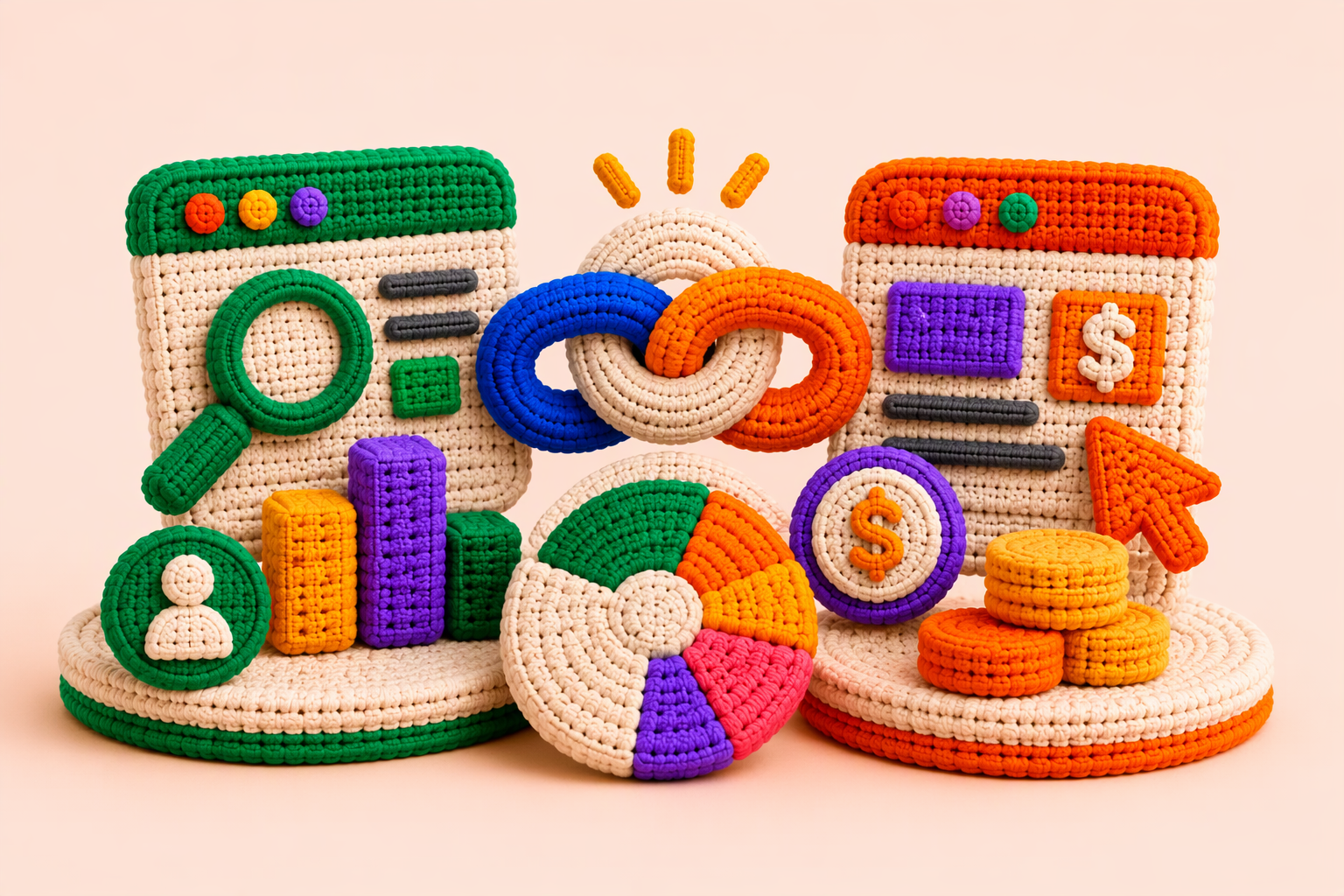
SEO improves your visibility in organic search results. SEM, as defined here, buys visibility through search ads.
Neither channel is automatically better. Your choice depends on search intent, urgency, ranking feasibility, margins, conversion performance, and your team’s capacity.
The 30-Second Answer
SEO does not charge you for each organic click, but it is not free. You still fund research, content, tools, technical work, publishing, updates, and measurement.
SEM lets you control keywords, budgets, locations, messages, and landing pages. You can launch quickly, but you lose the purchased placement when your ads stop serving.
Why SEM Has Two Definitions
SEM can refer to:
- Search marketing as a whole: SEO plus paid search.
- Paid search specifically: Usually PPC advertising.
This guide uses the second definition. Because both remain in use, define SEM clearly in reports, briefs, contracts, and presentations.
SEO vs PPC vs Paid Search: A Clear Terminology Map
Paid search means buying sponsored placements in search results. PPC is a payment model in which you pay when someone clicks. SEM may mean paid search alone or both paid and organic search, depending on the speaker.
- Organic search: Unpaid listings influenced through SEO.
- Paid search: Sponsored placements purchased through an ad platform.
- PPC: A common paid-search billing model.
- SEM: Paid search in this guide.
What SEO Includes
SEO covers content strategy, on-page optimization, technical SEO, internal linking, backlinks, publishing, updates, and performance measurement.
You earn organic rankings by making pages relevant, useful, accessible, and authoritative. An SEO content strategy connects that work to customer demand instead of treating publishing volume as the goal.
What Paid Search and PPC Include
Paid search involves keyword selection, bids, ad copy, targeting, landing pages, conversion tracking, budgets, and testing.
Fast activation does not guarantee profitable results. You still need accurate tracking, strong landing pages, relevant offers, and ongoing campaign management.
SEO vs SEM Comparison Table: Cost, Speed, Control, and Longevity

Use this comparison to assess the practical trade-offs:
| Factor | SEO | SEM or paid search |
|---|---|---|
| Placement | Organic listings and search features | Sponsored search placements |
| Visibility | Usually develops gradually | Can begin soon after launch and approval |
| Payment | No per-click media fee | Commonly charged per click |
| Longevity | Traffic can continue after publication | Traffic usually ends when ads stop |
| Targeting | Guided mainly by query relevance | Direct control over keywords, locations, devices, and audiences |
| Testing | Slower because rankings take time | Faster for testing offers, messages, and pages |
| Maintenance | Content, technical work, and monitoring | Bid, budget, creative, and tracking management |
| Main risk | Failing to rank or retain visibility | Paying for clicks that do not convert profitably |
SEO can sometimes gain visibility quickly, particularly when your site already has relevant authority. Paid search can also require time for setup, testing, and performance analysis.
Where Each Channel Appears in Search Results
Paid placements are labelled as sponsored and may appear above or below organic listings. Their position varies with the query, auction, device, and results-page layout.
Organic visibility can include standard links, local results, images, snippets, and other features. Use a prioritized technical SEO checklist to address accessibility and performance problems that could restrict visibility.
What Happens When Investment Stops
Paid traffic generally ends when your ads stop serving. You keep the campaign data, but not the placement.
Organic traffic can continue after the initial work. It is not permanent, however. Rankings may decline as content ages, competitors improve, search behaviour changes, or technical problems emerge.
The Real Cost of SEO vs the Economics of PPC
SEO replaces direct media spending with costs for strategy, content, software, technical resources, publishing, and maintenance.
Paid search adds media spend to campaign setup, landing pages, tracking, management, and testing. PPC becomes inefficient when the value produced by its clicks does not justify the total cost.
How to Calculate Total SEO Investment
Use this basic model:
Total SEO investment = labour + software + technical resources + content operations + ongoing optimization
Judge performance over a period that reflects ranking development and your customer journey. Track qualified visits, leads, opportunities, and customers—not rankings alone. An SEO KPI scorecard can connect search visibility with commercial outcomes.
How to Calculate PPC Viability
Assess cost per click alongside conversion rate, close rate, customer value, gross margin, and allowable acquisition cost.
A simple break-even model is:
Maximum affordable CPC = allowable customer acquisition cost × click-to-customer conversion rate
Treat the result as a ceiling, not a target. Low-cost clicks are still wasteful when they generate poor-fit leads or unprofitable customers.
SEO vs PPC Examples by Search Intent
Assign each keyword a primary channel rather than automatically funding both.
| Keyword | Intent | Primary Channel | Reason |
|---|---|---|---|
| “how to create a project timeline” | Informational | SEO | A useful guide can address recurring demand |
| “best inventory software for small business” | Commercial | PPC for validation | Paid data can test demand and positioning |
| “buy waterproof hiking boots” | Transactional | Paid search for urgent promotions | Timing, stock, and landing-page control matter |
| “enterprise payroll software” | High-value commercial | Both, if profitable | Dual coverage may extend reach |
Informational Keywords: Usually Lead With SEO
For an educational query, an organic guide can answer the question while building topical relevance. Use paid search only when you can connect those visits to meaningful downstream results.
Commercial Keywords: Validate, Compare, and Combine
Paid search can test offers and conversion potential before you commit to extensive organic content. If the query produces qualified demand, build a comparison page or topic hub to pursue lasting visibility.
Transactional Keywords: Prioritize Economics and Urgency
Paid search suits time-sensitive offers because you control timing, location, budget, and destination pages. SEO becomes more attractive when demand recurs and you have a realistic chance of ranking profitably.
When to Choose SEO, SEM, or Both
If resources are limited, select a primary channel for each keyword or closely related cluster.
Choose SEO for Durable, Repeatable Demand
Prioritize SEO when demand recurs, the topic will remain useful, ranking is feasible, and your team can maintain content and technical quality. It works best when a strong resource can support several stages of the customer journey.
Choose Paid Search for Speed and Control
Prioritize paid search for launches, seasonal promotions, local targeting, immediate visibility, or rapid message testing. It gives you direct control when waiting for organic performance would mean missing the opportunity.
Target the Same Keyword With Both Only When Justified
Dual coverage may make sense for valuable queries, message tests, or added reach. Do not stop PPC merely because you rank organically. First determine whether the ads produce incremental, profitable conversions rather than replacing organic clicks.
A Keyword-Level SEO vs SEM Decision Framework
Score each opportunity by urgency, intent, ranking difficulty, authority, click cost, expected conversion rate, margin, content fit, and team capacity. Then choose one action: SEO first, paid first, both, or defer.
Step 1: Evaluate Demand, Intent, and Urgency
Identify what the searcher wants and how long the opportunity will remain valuable. Recurring demand gives SEO time to work; temporary offers may require paid visibility.
Step 2: Compare Ranking Feasibility With Paid Economics
Review the current results, competing sites, content requirements, click costs, margins, and acquisition limits. Expensive clicks do not automatically make SEO easier or cheaper.
Step 3: Account for Operational Capacity
Confirm that your team can research, create, review, publish, update, and measure content. seosorted.ai supports research, creation, publishing, and tracking across WordPress, Webflow, and Shopify while keeping your team in control.
How SEO and Paid Search Can Improve Each Other
Use each channel to generate evidence for the other rather than funding both without a clear purpose.
Use PPC as a Keyword-Validation System
Test candidate keywords against qualified conversions, acquisition cost, revenue, margin, search terms, and landing-page performance. Do not shape your SEO roadmap around clicks alone.
Use SEO to Compound Validated Demand
Once a topic proves valuable, create durable guides, comparisons, use cases, and product-led resources. seosorted.ai can connect research, drafting, publishing, optimization, and tracking. If contributors are involved, clear SEO outsourcing governance helps you retain editorial control.
Feed Organic Insights Back Into Paid Campaigns
Use effective organic topics, language, calls to action, and conversion paths in ad and landing-page tests. Where ads fail to add profitable conversions beyond organic traffic, reallocate the budget.
FAQ
What Is the Main Difference Between SEO and SEM?
SEO targets organic search visibility. SEM, as used here, targets sponsored visibility through paid search. SEO has no per-click media fee, while SEM gives you more direct control over timing and targeting.
Does SEM Include SEO?
It can. Some marketers use SEM as an umbrella term for organic and paid search, while others use it only for paid search. Define the term whenever you plan or report campaigns.
Is SEO Cheaper Than PPC?
Not necessarily. SEO requires content, tools, technical work, and maintenance. PPC includes media spending and management. Compare each channel by its total cost to acquire qualified customers.
Should You Stop PPC After Ranking Organically?
Not automatically. Measure whether paid ads add profitable conversions or simply replace organic clicks. Reduce spending when the additional value no longer justifies the cost.
Can Paid Search Improve SEO Results?
Paid ads do not buy better organic rankings. Their performance data can, however, show you which keywords, offers, and landing pages produce qualified demand, helping you prioritize SEO work.
Build a More Sustainable SEO Workflow
Choose the right channel for each keyword, then build a workflow your team can sustain. Use seosorted.ai to streamline SEO research, content production, publishing, optimization, and tracking while retaining strategic oversight.
Related reading
- Glossary: Landing Page
- Glossary: Conversion Rate
- Glossary: Organic Traffic
FREE BACKLINK PLAN
Build authority with backlinks that matter
Get a shortlist of sites that already link to competitors in your niche, ranked by authority, without doing the outreach research yourself.
- 20 link opportunities matched to your niche
- Discover competitor backlink sources
- Get actionable link-building opportunities

We'll email you the results and occasional SEO tips. Unsubscribe anytime.
Common questions
The core research-and-write loop is similar - both start from real SERP data and match your brand voice. The practical difference shows up in volume and what happens after publishing: seosorted includes 30 articles a month at the $99 price point with add-on tiers if you need more, and it feeds Search Console performance data back in to improve future articles. Outrank currently has a live backlink exchange; seosorted's is on the roadmap.
Typically 3–6 months before articles start climbing Google significantly — that's the nature of SEO, not something specific to seosorted. The compounding effect is the point: publishing consistently from day one means you're months ahead of starting later. Sites that publish 8–12 articles in the first 60 days consistently see their first rankings within 90 days. Every week without content is a week of organic traffic going to a competitor who is publishing.
Yes, always. Every article lands in a READY state first — you can read it, edit it, approve it, or reject it before anything goes live. If you'd rather not touch it, you can turn on auto-publish and articles go straight to your CMS on your chosen schedule. Full control or full autopilot — your call per article.
WordPress, Webflow, and Shopify natively — the article, featured image, meta description, and schema markup all land in your CMS automatically. For everything else — Ghost, Sanity, Strapi, Notion, or any custom headless setup — we publish via Webhook. We POST a JSON payload with the full article, SEO fields, images, and schema. If your CMS accepts a POST request, we can publish to it.
Related Blogs

What Is AI SEO Software? How It Works, Real Workflows, and SaaS Scale
One SaaS marketing lead paid $6,000 a month for four articles with a three-week wait. Same lead, same budget range, twelve articles a month once the pipeline changed.
Updated on
Nov 12, 2026

7 mins